Understanding Your Child’s Inner World: The Root of All Behaviour

Strong School Leadership Is the Backbone of Teacher Wellbeing
March 7, 2026
Parenting in the Digital Age: Boundaries, Balance & Bonding
March 11, 2026
Every parent wants their child to behave well. We correct, remind, warn, and sometimes worry endlessly when behaviour doesn’t meet our expectations. But in our effort to manage behaviour, we often overlook something far more important—the inner world of the child.
Behaviour is not the problem.
Behaviour is the message.
Behaviour Is Communication
Children don’t always have the language to express what they feel. When emotions become overwhelming, they come out as behaviour—anger, silence, tantrums, withdrawal, or defiance.
A child who shouts may be expressing frustration.
A child who withdraws may be feeling unheard.
A child who misbehaves may be seeking connection, not attention.
When we focus only on correcting behaviour, we miss the deeper message the child is trying to send.
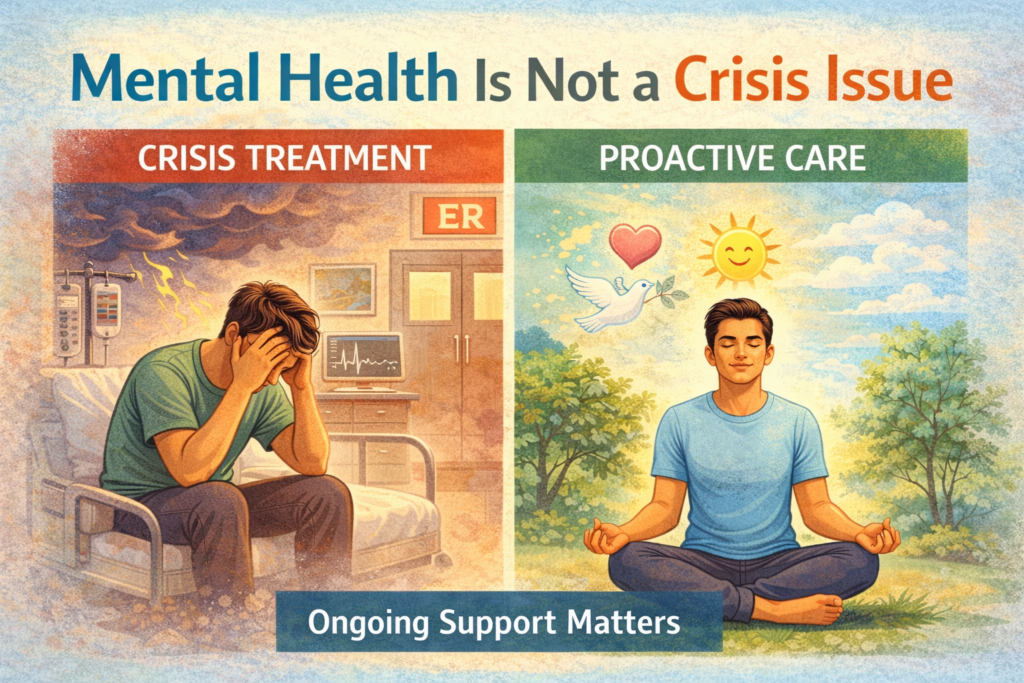
The Inner World of a Child
A child’s inner world is shaped by emotions, experiences, fears, and unmet needs. Unlike adults, children are still learning how to make sense of what they feel.
They experience:
- Big emotions in small bodies
- Confusion they cannot name
- Expectations they don’t fully understand
When this inner world feels unsafe or overwhelming, behaviour reflects that discomfort.
Understanding this inner world requires us to slow down—not react immediately.
Why Punishment Alone Doesn’t Work
Traditional discipline often focuses on stopping behaviour through fear or consequences. While it may bring temporary compliance, it rarely leads to emotional understanding.
Punishment may silence behaviour, but it does not resolve emotions.
Children learn best when they feel emotionally safe. When a child feels understood, they are more open to guidance. When they feel judged or threatened, they shut down.
Listening Before Correcting
One of the most powerful parenting tools is listening—without interruption, judgement, or immediate advice.
Listening tells the child:
- “Your feelings matter.”
- “You are safe to express yourself.”
- “I am here with you.”
Once a child feels heard, behaviour often softens naturally.
Correction works better after connection, not before.

Helping Children Understand Their Own Feelings
Parents play a crucial role in helping children identify and name emotions. When we say:
- “It looks like you’re feeling upset.”
- “You seem frustrated right now.”
We help children build emotional awareness. Over time, this awareness becomes self-regulation.
Children who understand their emotions grow into adults who can manage them.
Parenting with Empathy and Boundaries
Understanding a child’s inner world does not mean allowing all behaviour. Boundaries are important—but boundaries delivered with empathy are far more effective.
Empathy says:
“I understand how you feel.”
Boundaries say:
“This behaviour is not okay.”
Both can exist together.
Moving from Control to Connection
Modern parenting is shifting from control-based approaches to connection-based ones. This shift does not make parenting easier—but it makes it more meaningful.
When parents focus on understanding rather than controlling, relationships strengthen. Trust deepens. Behaviour improves naturally over time.

A Gentle Reminder for Parents
You don’t need to be a perfect parent to raise a healthy child. You need to be a present parent—willing to listen, learn, and reflect.
At IDEACONS, we believe that when parents understand their child’s inner world, parenting becomes less about constant correction and more about conscious connection.
Because when we understand what’s happening inside,
we can guide what happens outside.