How Your Own Childhood Shapes Your Parenting Style

Parenting in the Digital Age: Boundaries, Balance & Bonding
March 11, 2026
Yoga for Everyday Strength: Simple Asanas for Busy Lives
March 11, 2026
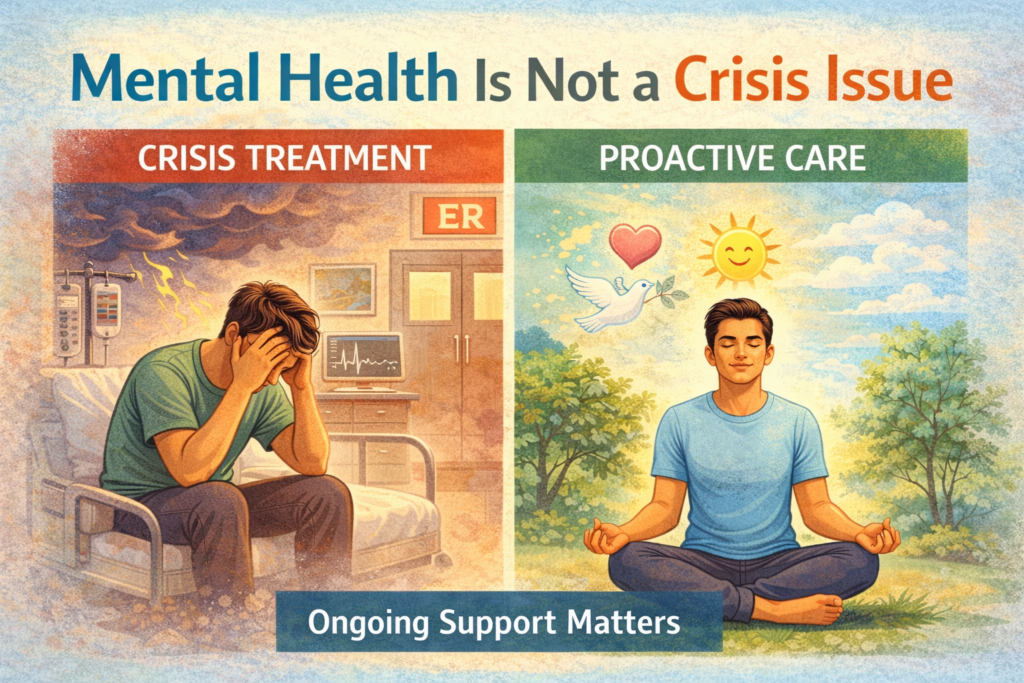
Many parents believe they are responding only to their child’s behaviour in the moment. But often, something else is at play—memories, emotions, and experiences from our own childhood.
The truth is, we don’t parent in isolation.
We parent with voices from our past sitting quietly—or sometimes loudly—inside our heads.
The Invisible Influences
Our childhood experiences shape our beliefs about discipline, love, success, and safety. Whether we grew up feeling supported or misunderstood, those experiences influence how we respond to our own children.
Sometimes we hear ourselves say things like:
- “This is how my parents handled it.”
- “I turned out fine, so this must be right.”
- “I don’t want my child to experience what I did.”
These inner narratives guide our reactions more than we realise.
Repeating or Rebelling—Two Common Patterns
Parents often fall into one of two patterns.
Some unconsciously repeat what they experienced—strict rules, emotional distance, high expectations, or silence around feelings.
Others swing to the opposite extreme, rebelling against their upbringing by avoiding boundaries or overcompensating with constant reassurance.
Both patterns are understandable. Neither is wrong. But both can limit conscious parenting if left unexamined.
Emotional Triggers Are Childhood Echoes
When a child’s behaviour triggers intense anger, fear, or helplessness, it often connects to an unresolved part of the parent’s own past.
A child’s defiance may remind us of being controlled.
A child’s silence may awaken memories of being unheard.
A child’s mistakes may activate fears of failure planted long ago.
These reactions are not signs of bad parenting. They are invitations for self-awareness.

From Automatic Reactions to Conscious Responses
The moment we pause and ask, “Why is this bothering me so deeply?”, parenting shifts.
Conscious parenting does not mean ignoring the past. It means recognising its influence and choosing responses intentionally.
When parents reflect on their own childhood, they gain:
- Greater emotional regulation
- More empathy for themselves and their children
- Freedom from reactive patterns
Awareness creates choice.
Healing Yourself While Parenting Your Child
Parenting often becomes an unexpected path to self-healing. As we nurture our children, we also encounter parts of ourselves that need care.
This does not require perfection or therapy labels. It begins with:
- Noticing patterns
- Questioning assumptions
- Allowing self-compassion
When parents heal, even gently, children benefit immensely.
Breaking the Cycle with Compassion
Breaking generational patterns does not require rejecting our parents or blaming the past. It requires understanding.
We can honour what worked, release what didn’t, and create something new.
Every conscious choice—listening instead of reacting, guiding instead of controlling—reshapes the future.

A Gentle Reflection
Before responding to your child, pause and ask:
“Is this my child’s voice I’m responding to—or my own childhood echo?”
At IDEACONS, we believe that when parents become aware of who is parenting from within, they gain the power to raise children with clarity, empathy, and intention.
Because when we heal the past,
we parent the present more wisely.