Mental Health Is Not a Crisis Issue:

Breaking the Silence:Normalising Conversations Around Mental Health
March 11, 2026
Inner Stillness : Starting Your Spiritual Journey with Meditation
March 11, 2026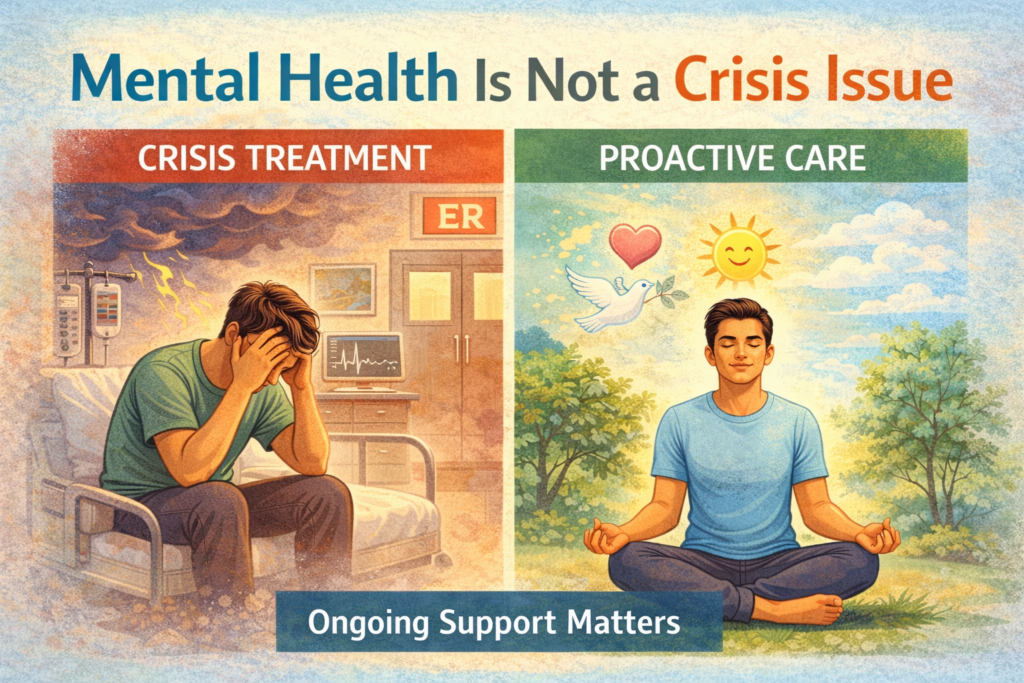
Why Everyday Awareness Matters
When people think of mental health, they often associate it with extreme situations—breakdowns, diagnoses, or moments of crisis. As a result, mental health conversations usually begin too late, when distress has already accumulated.
But mental health is not only about crises.
It is about how we cope every day.
Mental Health Exists on a Spectrum
Mental wellbeing is not a fixed state. It changes with life experiences, responsibilities, relationships, and expectations.
On some days, we feel balanced and motivated.
On other days, we feel overwhelmed, exhausted, or disconnected.
Both are part of being human.
Recognising mental health as a spectrum helps us respond early instead of waiting for things to worsen.
The Small Signs We Often Ignore
Mental distress rarely appears suddenly. It builds quietly through everyday pressures.
Common early signs include:
- Constant tiredness despite rest
- Irritability or emotional numbness
- Loss of interest in things once enjoyed
- Difficulty focusing or making decisions
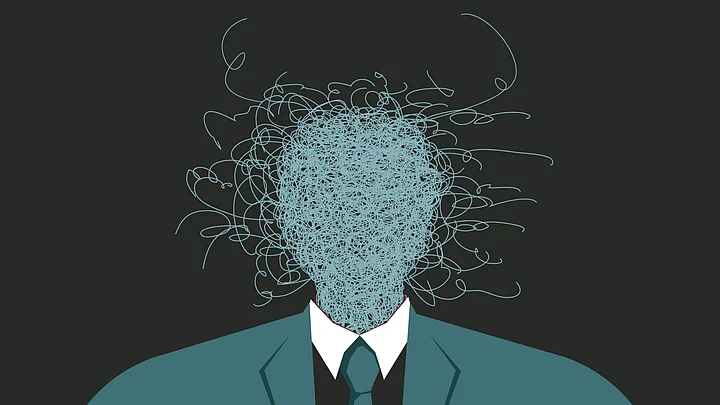
These signs are often dismissed as “normal stress.” While stress is common, persistent emotional strain deserves attention.
Why Awareness Is More Effective Than Intervention
When mental health is addressed only during crises, recovery becomes harder and slower. Awareness allows us to pause, reflect, and make small adjustments before distress deepens.
Everyday awareness encourages:
- Better emotional regulation
- Healthier boundaries
- Timely support-seeking
- Greater self-compassion
Mental health care does not always begin with therapy. It often begins with awareness.
Creating Space for Emotional Check-ins
One of the simplest ways to support mental wellbeing is through regular emotional check-ins—with ourselves and others.
Questions like:
- “How am I really feeling today?”
- “What is draining me right now?”
- “What do I need more of?”
These reflections create emotional clarity and reduce inner confusion.
Mental Health in Daily Roles
Parents, educators, and professionals often prioritise responsibilities over wellbeing. Over time, emotional fatigue becomes normalised.
But sustained emotional strain affects:
- Decision-making
- Relationships
- Patience and empathy
- Overall health
Caring for mental health is not selfish—it enables us to show up better in every role we hold.
Building a Culture of Early Care
When mental health is discussed openly and regularly, it becomes easier to seek support without fear or shame.
Early care looks like:
- Honest conversations
- Respecting emotional limits
- Asking for help when needed
- Normalising rest and reflection
A culture of early care prevents burnout before it begins.
A Gentle Perspective
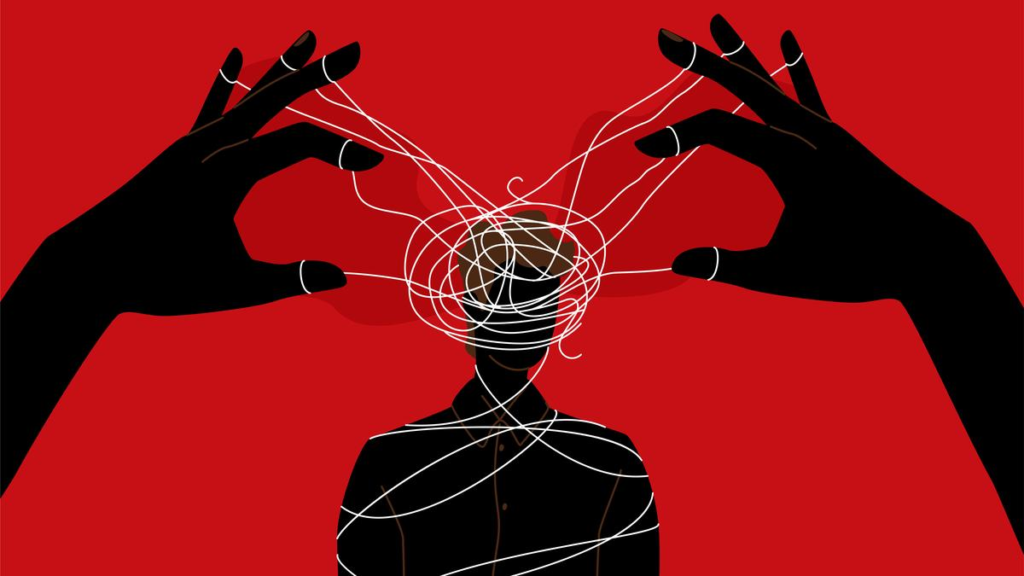
You don’t need to wait until things fall apart to care about your mental health. Small, consistent awareness can make a meaningful difference.
At IDEACONS, we believe mental wellbeing deserves daily attention—not just emergency responses.
Because when mental health is cared for early,
life feels more manageable and balanced.